


The quick take
Every few months, the internet digs up an old meme template, puts a fresh coat of irony on it, and sends it sprinting across feeds. The phrase "Pajeet Kumar" is one of those—suddenly trending, instantly polarizing, and deeply tied to stereotypes. If you’ve seen it pop up and felt a twinge of “yikes,” your radar is working. Let’s unpack what’s happening, why it matters, and how to navigate it without amplifying harm.

What is the "Pajeet Kumar" meme?
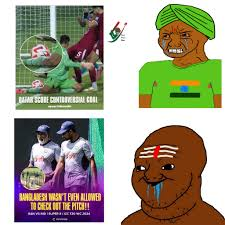
Short answer: it’s a meme phrase with roots in anonymous forum culture, typically used to stereotype and mock South Asian people—often in the context of tech, outsourcing, or online scams. The name is a mashup that became a shorthand “character” others project onto, usually to punch down rather than punch up.
Over time, the format migrated from fringe boards to mainstream platforms, where it occasionally resurfaces in comment threads, image macros, and low-effort jokes. Sometimes it’s deployed as an “edgy” throwback. Other times, creators call it out, remix it, or attempt reclamation by flipping the narrative to celebrate real talent and culture. The baggage remains: the phrase is widely recognized as a stereotype vessel. That’s why its sudden breakout deserves a closer look.
Why is it trending right now?
Our culture radar shows a sharp blip: a small but meaningful surge from near-zero chatter to noticeable visibility. It’s not everywhere, but it’s getting enough oxygen to jump platforms and trigger explainers like this one.
Trend Watch: Breakout status • 12 total hits • First seen: 2026-04-17 • Last seen: 2026-04-17
Translation: it’s early, volatile, and likely to evolve quickly. Expect a mix of contexts—some critical, some reclaiming, some just trying to be provocative. As always, context is king—and screenshots rarely tell the whole story.
Why it’s problematic—and how some are flipping it
At its core, the phrase isn’t neutral; it’s historically used to stereotype a protected community, reducing real people to a caricature. That matters because “it’s only a joke” often translates into very real bias. When stereotypes get memefied, they travel faster than nuance and can normalize lazy bigotry.
That said, the internet also loves a narrative flip. You’ll see South Asian creators responding with wit and pride—showcasing coding chops, entrepreneurial wins, and diaspora humor that reframes the punchline. Reclamation can be empowering, but it’s not a universal shield; intent doesn’t always equal impact, and audiences vary. The safest rule of thumb: if you’re not part of the community targeted by a stereotype, think twice before playing with its language.
Seeing it in the wild? A simple guide
- Check context fast: Who’s posting? What’s the tone? Is it critique, reclamation, or mockery?
- Don’t feed the trolls: Low-effort bait thrives on outrage. Starve it of engagement.
- Add clarity, not gasoline: If you respond, explain the stereotype’s baggage briefly and link to better content.
- Center people, not punchlines: Highlight creators, stories, and facts that break the stereotype.
- Report obvious harassment: Platforms have tools for slur-based targeting—use them.
- Upgrade the joke: Swap lazy stereotypes for clever, relatable angles—workplace chaos, dev life mishaps, Wi‑Fi betrayal, you name it.
Brand-safe takeaways for marketers
Edgy ≠ effective. If you’re building culture-savvy content, you can acknowledge a trend without replicating its harm. Practical tips:
- Avoid using the phrase in posts, captions, or merch. Context gets lost fast.
- Spotlight South Asian creators and communities with collaboration, credit, and budgets.
- Pivot to universal humor: debugging disasters, meeting memes, hustle vs. burnout, the “tabs open” Olympics.
- Audit your references: If a name or template has a history of stereotyping, skip it.
Make something better: build your own meme
You don’t need a fraught phrase to ride the zeitgeist. Craft memes that travel because they’re sharp, not because they’re shocking. Try remixing evergreen formats, trendjack responsibly, and keep the joke aimed at systems, not people. Ready to create? Explore Wahup’s tools and spin up something fresh with our Meme Generator—perfect for captions, crews, and campaigns that actually land. Make your meme here.
The bottom line
This trend is a reminder that virality can be messy. Know the history, read the room, and choose clever over cruel. The best memes don’t punch down—they punch through the noise.
#MemeCulture #InternetHistory #DigitalCitizenship #Wahup
Featured products
Product links
- Gildan T-Shirt 5000 Sassy Lass Tarot Card St Patrick's Day S1 Tee
- Comfort Colors T-Shirt 1717 Coquette Softball Hit the Dang Ball Bow, Softball Mama Game Day, Softball Stripes Coquette Bow, Softball Sport Tee
- Deer Hunting Dad Shirt - Gildan 5000 Unisex Heavy Cotton Tee, Funny Gift for Hunters, Fitness Deer Print, Perfect Fall Outfit by Printify
- Oversized Women's Sports T-Shirt, Comfort Colors 1717 TShirt, heavyweight cotton hockey basketball tee, gameday outfit gift for women
- Cozy Comfort Colors® 1717 Coffee & Books Unisex T-shirt Book Lover Gift Perfect Fall Outfit
- Comfort Colors® 1717 Unisex Garment-Dyed T-shirt, Funny Theatre Shirt, Actor Gift, Drama Teacher Outfit, SwiftPOD, Perfect for Women & Men
- Killing Lives Cat Gamer Shirt, Gildan 5000 Unisex Heavy Cotton Tee, Funny Gift for Cat Mom & Dad, Printify Choice, Valentine's Day Outfit
- Dequavious Pork Is Calling Funny Meme T-Shirt, Joke Tee Gift, Viral Trending Shirt for Men Women, Soft Cotton Unisex Fit, Oddly Tee, Casual Outfit
- Gildan T-Shirt 5000 Peace Dove | Retro Psychedelic Typography, Vintage Hippie S1 Tee

